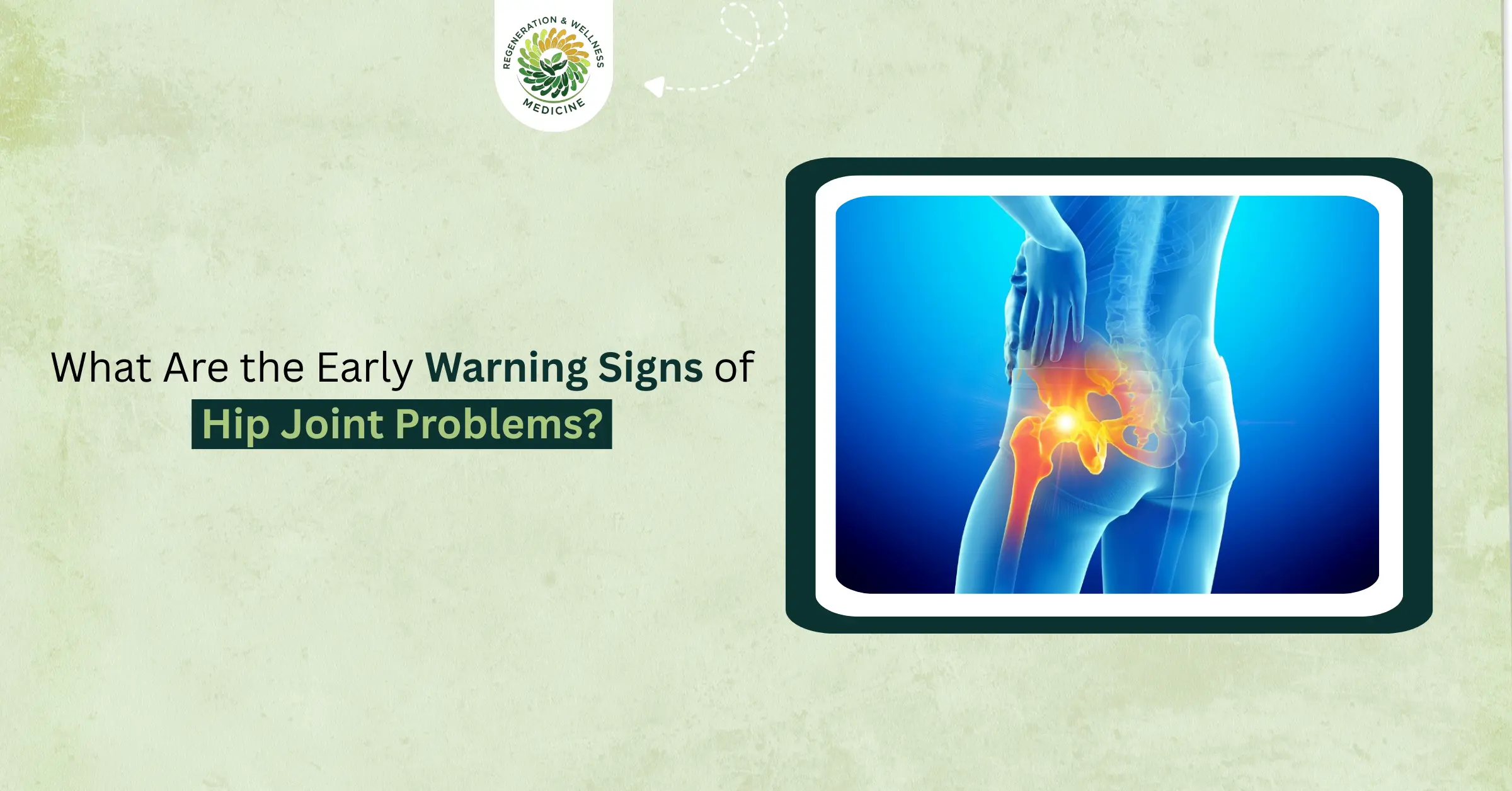
Your hip is a large joint that supports you in standing, walking, and running. Small signals are indicated by the body when the hip is not functioning well. These are warning signs. Once you see them, it is best to address them in a timely manner. We do so in order for you to identify those signs quickly.
What Is the Hip Joint?
The hip joint is the point where the thigh bone joins. It meets the pelvis there. It is strong and it moves a lot. It is supported by hip joint tendons, but it can wear out or get hurt. To understand what causes pain in your hip joints, we look at how these parts work together. Once wear occurs, the hip may become painful and it may be difficult to do everyday things.
Common Early Warning Signs
Here are the most frequent reasons for pain in hip joints. Each is simple and straightforward.
Pain in the Hip Area
- Discomfort may occur at any part of the hip. The pain can be small at first. It can come and go. When it is worse in the case of walking or standing, pay attention.
Pain That Moves to the Knee or Groin
- Hip pain is sometimes similar to knee pain. Or it may feel like it is in the groin. When your knee is sore and you do not understand the reason, test your hip.
Stiffness After Rest
- When you wake up, you may have stiff hip joints. The hip may loosen a bit when you move. Stiffness that lasts more than a few minutes can be a sign.
Limping or Change in Your Walk
- You may drag one foot or take shorter steps. A limp is a clear sign that your hip is not happy.
Trouble Going Up or Down Stairs
- If stairs feel harder than before, or you need to hold the rail, the hip may be weak or painful.
Difficulty Entering and Exiting Chairs or Vehicles
- If it is hard to stand up from a chair or get into a car, the hip may be a problem.
Swelling or Warmth Around the Hip
- The hip may look a bit swollen or feel warm to touch. This can mean inflammation or a problem inside the joint.
Clicking, Popping, or Grinding Sounds
- You may hear sounds when you move the hip. These sounds alone are not always bad. But if they are new and come with pain, tell your provider.
Pain at Night
- If hip pain wakes you up or makes it hard to sleep, that is a sign to check.
Weakness or Falling
- If your leg feels weak or you fall more, the hip may be losing strength.
Why Early Signs Matter
Catching problems early helps us treat them better. Small changes can get better with care. Waiting for a long time can make the problem bigger. We want you to feel better fast.
When to See Us
Come see us if you have any of the signs above for more than a few days. Come sooner if the pain is strong or you cannot walk. If you have a fever with hip pain or the leg turns blue, go to the emergency room.
How We Help
We are here to help. We are Regeneration & Wellness Medicine and we use a whole-body approach. We look for the root cause of the pain and show you how to get rid of pain in hip areas safely. We use medical care and aim to help you move and feel better.
Here are the ways we can help:
- Pain Management
We can give treatments that reduce pain fast. We teach ways to move that hurt less. - IV Nutrition Therapy and Ozonated Glycerin Therapy
Some people feel better when their body gets the right fluids and nutrients. These therapies can help healing and energy. - Stem Cell and PRP Treatments
For some joint problems, stem cell or PRP (platelet-rich plasma) can help the hip heal. These are advanced options to support repair. - Liver Health Support and Metal Chelation
A healthy body heals better. We help the whole body stay balanced so healing can happen. - Platelet Support like Plaquex Therapy
These treatments can help reduce inflammation and help your tissues recover.
We always explain each step. We make simple plans just for you. We do not rush. We want you to feel safe.
How We Check the Hip
When diagnosing hip pain, we start with simple steps:
- We ask about how and when the pain started.
- We watch you walk and move.
- We check range of motion with easy moves.
- We may use X-rays or scans if needed.
- We may test blood if we think infection or other illness is the cause.
We explain each test in simple words. We give choices that make sense for you.
Simple Things You Can Do Right Now
These tips can help day to day. They are easy to try.
- Rest when the hip hurts. Do gentle moves.
- Use ice for 15 minutes if the hip is swollen.
- Try warm baths to ease hip soreness and stiffness.
- Use a cane or grab rails if necessary.
- Wear shoes with good support.
- Do low-impact exercise like swimming or walking as you can.
- Keep a healthy weight when you can. Less weight helps the hip.
- Tell us if pain gets worse or you have new signs.
How to Prevent Hip Problems
You can help your hips stay strong and learn how to prevent arthritis in hips through these habits:
- Stay active with safe exercises.
- Build leg strength with small exercises.
- Stretch gently to keep motion.
- Eat foods that feed your bones and muscles.
- Avoid high-risk falls by keeping floors clear and using lights at night.
What to Expect at Our Clinic
When you come to us, we listen. We design the plan that suits you. We can assist in short-term pain relief. Then we look at long-term care. We address the root issue, not just the symptoms. We offer high-quality and safe care and clarify everything in plain terms.
Short Closing Note
Early signs are small messages from your body. They tell you to pay attention. If you have any of the signs above, do not wait. Call us or book a visit. We will help you understand the problem and choose the best steps to feel better.
If you want, we can write simple exercises that help your hip get stronger. We can also explain the tests in simple words. We are ready to assist you at every stage.
FAQs
Can Regeneration & Wellness Medicine help me?
Yes. Regeneration & Wellness Medicine can check your hip and make a care plan that fits you.
Do hip treatments hurt?
Most tests and treatments are performed to help reduce your pain. Your doctor will explain each step.
No comment